Understanding VDO Oil Pressure Gauges: A Complete Guide
Why Oil Pressure Monitoring Matters
Your engine's oil pressure is its lifeline. Without adequate oil pressure, metal components grind against each other, generating heat and wearing down rapidly. Within minutes of losing oil pressure, an engine can suffer catastrophic damage.
This is why a reliable oil pressure gauge isn't optional equipment – it's essential. And when it comes to reliability, VDO has been the benchmark for decades.
Types of VDO Oil Pressure Gauges
Mechanical Gauges
Mechanical VDO oil pressure gauges work using a direct connection to the oil system. A small pipe runs from the engine to the gauge, with the oil pressure itself moving the needle. These are favoured by many enthusiasts because:
- They're completely independent of electrical systems
- Instant, real-time response to pressure changes
- Extremely reliable with no sensors to fail
The downside? You're running an oil line into the cabin, which needs to be properly installed.
Electronic Gauges
Electronic VDO gauges use a pressure sender mounted on the engine that converts oil pressure into an electrical signal. This signal drives the gauge movement. Benefits include:
- Cleaner installation – only electrical wires come into the cabin
- Can be integrated with warning systems
- Various display options including digital
Choosing the Right Gauge for Your Application
Size Matters
VDO offers gauges in several standard sizes:
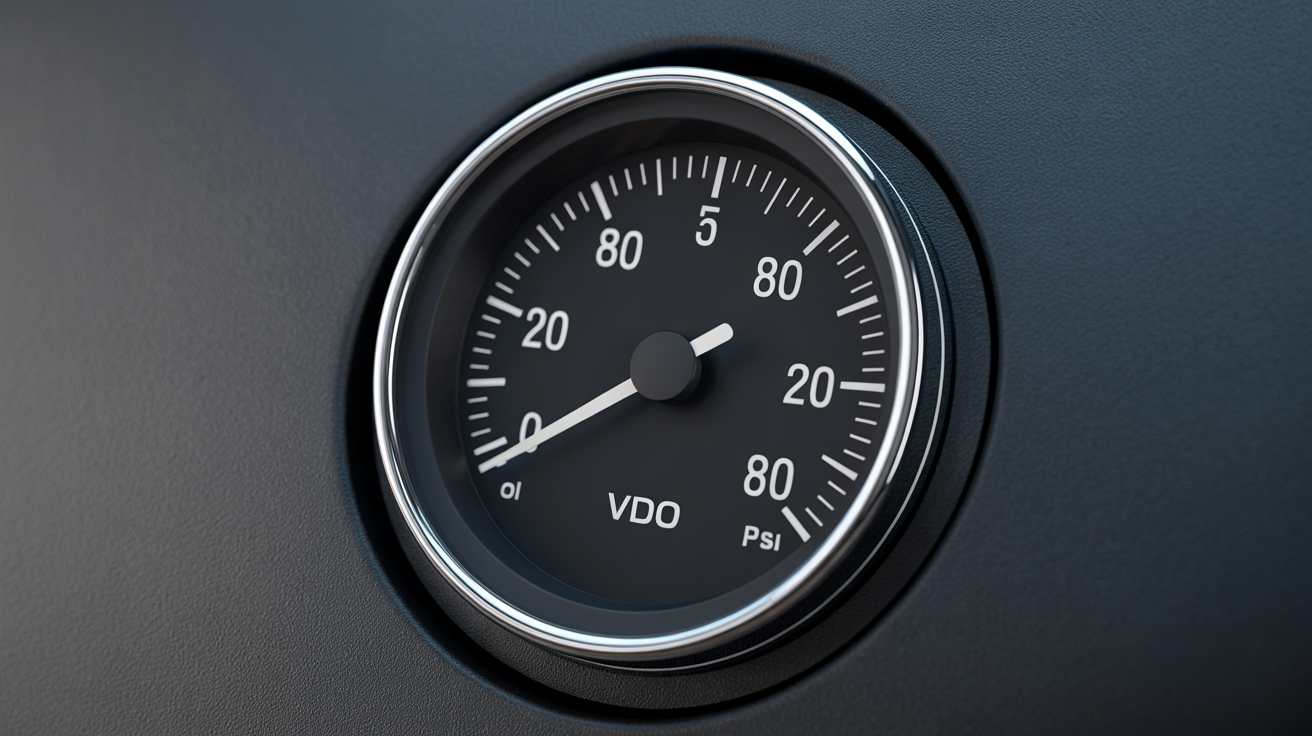
- 52mm – The most common size, fits most dashboard pods and gauge clusters
- 80mm – Larger, easier to read at a glance, popular in racing applications
Pressure Range
Consider your application:
- 0-7 BAR – Suitable for most petrol engines
- 0-10 BAR – Better for diesel engines or high-performance applications
Series Selection
Cockpit International – The workhorse of VDO's range. Clean, professional appearance with proven reliability. This is what we recommend for most applications.
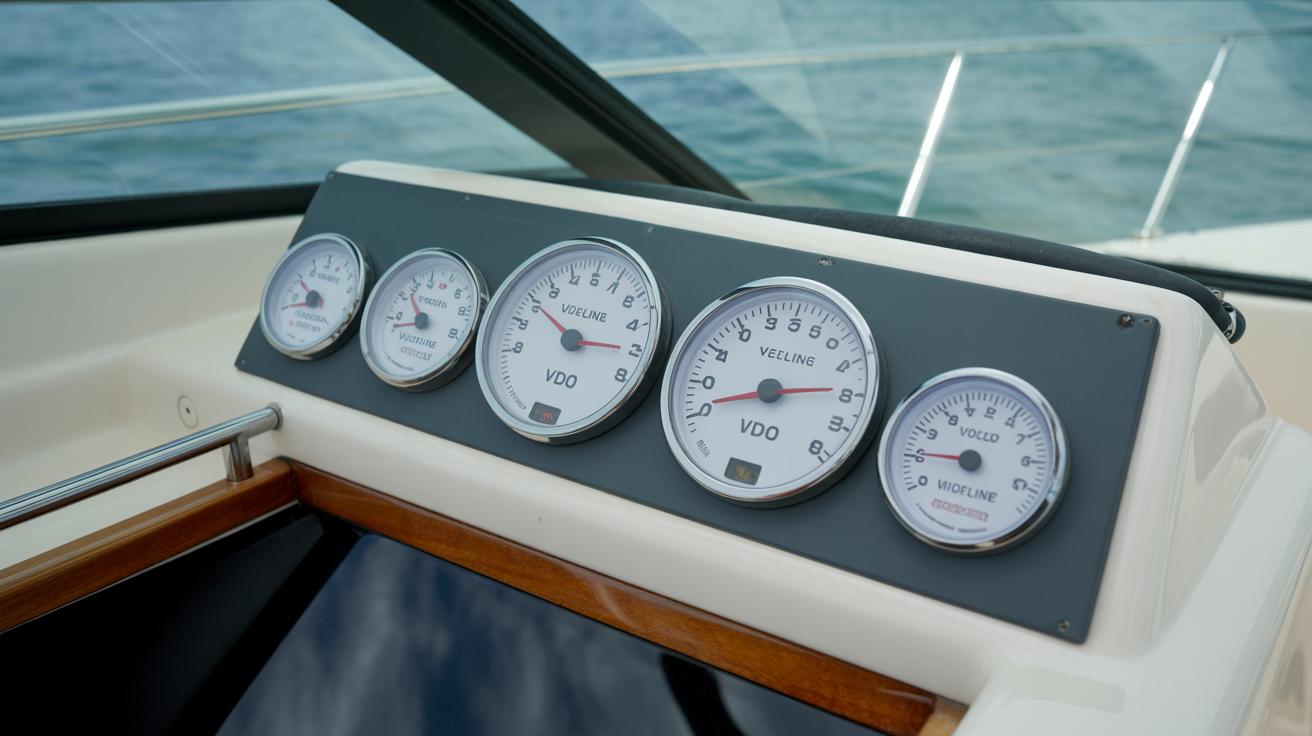
ViewLine – Marine-grade construction, suitable for harsh environments. If your gauge will be exposed to moisture or extreme conditions, ViewLine is the answer.
Installation Tips
I've installed hundreds of these gauges over the years. Here's what I've learned:
- Location, location, location – Mount the gauge where you can see it easily while driving. Sounds obvious, but I've seen gauges installed where the driver needs to lean over to read them.
- For mechanical gauges – Use high-quality oil-resistant hose. Route it away from heat sources and secure it properly. A loose oil line spraying hot oil is nobody's idea of fun.
- For electronic gauges – Earth the sender properly. A bad earth is the number one cause of erratic gauge readings.
- Use thread sealant – Teflon tape or proper pipe sealant on all threaded connections.
Troubleshooting Common Issues
Gauge reads zero constantly
Check: Sender connection, wiring, fuse (electronic), oil line blockage (mechanical)
Erratic readings
Usually an earthing issue on electronic gauges. Also check for air in the line on mechanical gauges.
Needle vibrates
Normal at idle on mechanical gauges. If excessive, may indicate internal gauge wear or an air leak.
Need help selecting the right VDO oil pressure gauge? Give us a call at 011 568 9948. We stock the complete range and can advise on the best option for your specific application.