Top 5 Signs Your Vehicle Gauge Needs Replacement
Don't Ignore the Warning Signs
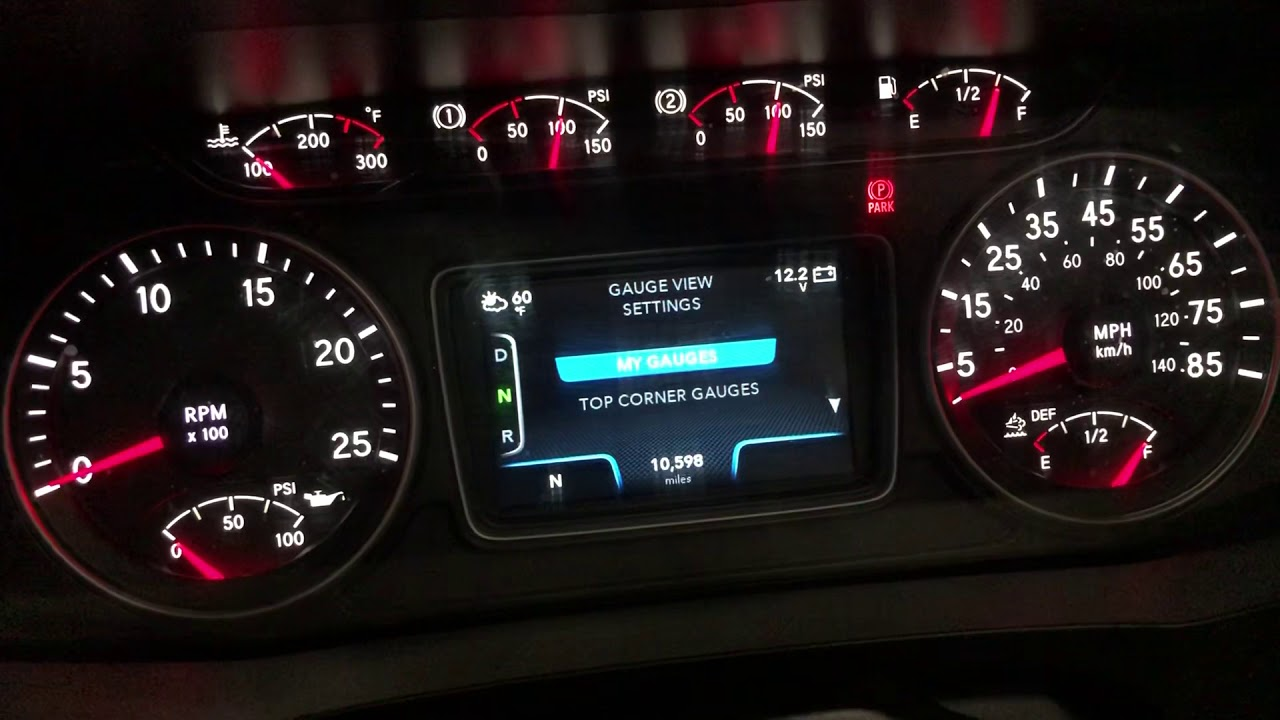
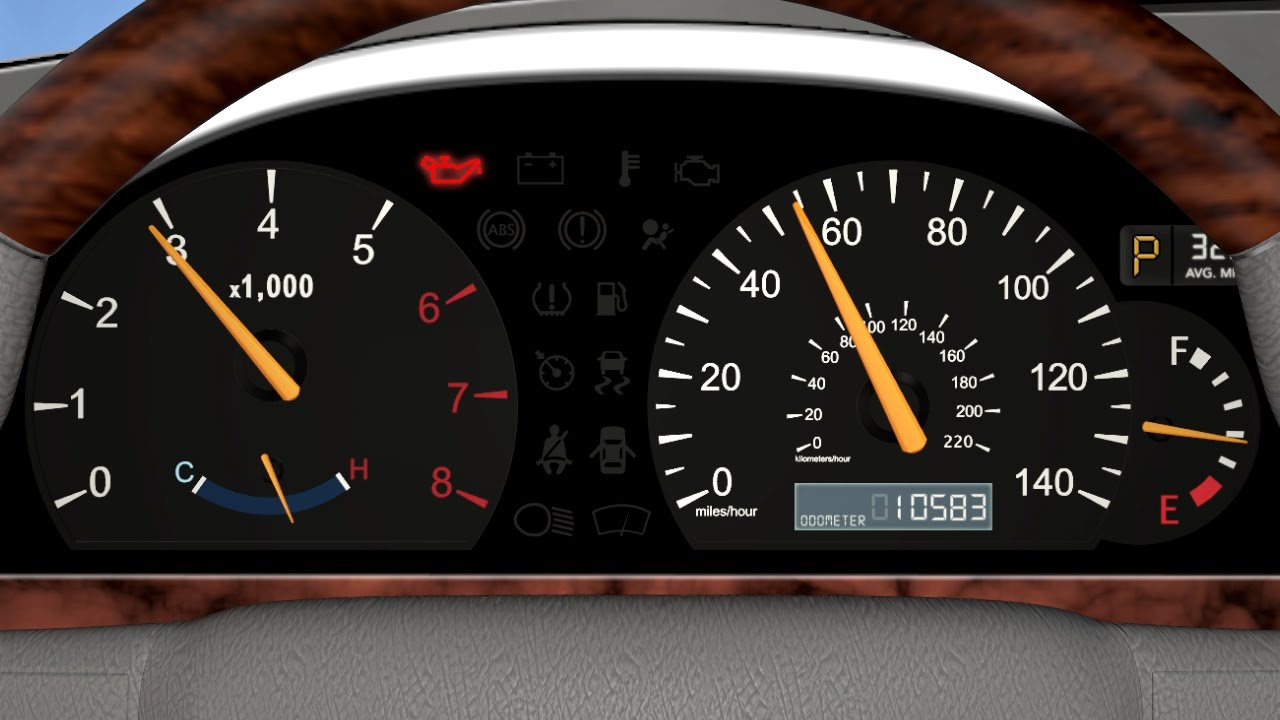
Your vehicle's gauges are its voice – they tell you when something's wrong before it becomes a disaster. But what happens when the gauges themselves start to fail? Here are the warning signs I've seen most often in my years working with automotive instruments.
1. Erratic Needle Movement
If your gauge needle is bouncing around like it's at a disco, you've got a problem. A healthy gauge should move smoothly and respond proportionally to changes.
What causes this?
- Worn internal movement
- Bad earth connection
- Failing sender unit
- Corroded wiring
Start by checking the electrical connections. If those are fine, the gauge or sender likely needs replacement.
2. Stuck or Unresponsive Needle
A needle that sits at zero (or any fixed position) regardless of conditions is basically useless. I had a customer drive for months with a "broken" temperature gauge – turns out the engine was genuinely overheating, and he only discovered this when the head gasket failed.
Check: Power supply to the gauge, sender operation, and internal gauge mechanism. Sometimes a stuck needle is just a failed sender, which is a much cheaper fix than a new gauge.
3. Inaccurate Readings
This one's tricky because you might not notice it immediately. Signs include:
- Temperature gauge showing cold when the engine is clearly warm
- Fuel gauge showing full when you know you're nearly empty
- Oil pressure reading that doesn't change with RPM
Inaccurate readings are arguably worse than no readings – they give you false confidence. If you suspect your gauge isn't reading correctly, verify with an external measuring device.
4. Flickering Backlighting
Intermittent or completely failed backlighting makes gauges useless at night. While sometimes this is just a blown bulb (easy fix), it can also indicate:
- Internal electrical issues in the gauge
- Voltage regulation problems
- Water damage
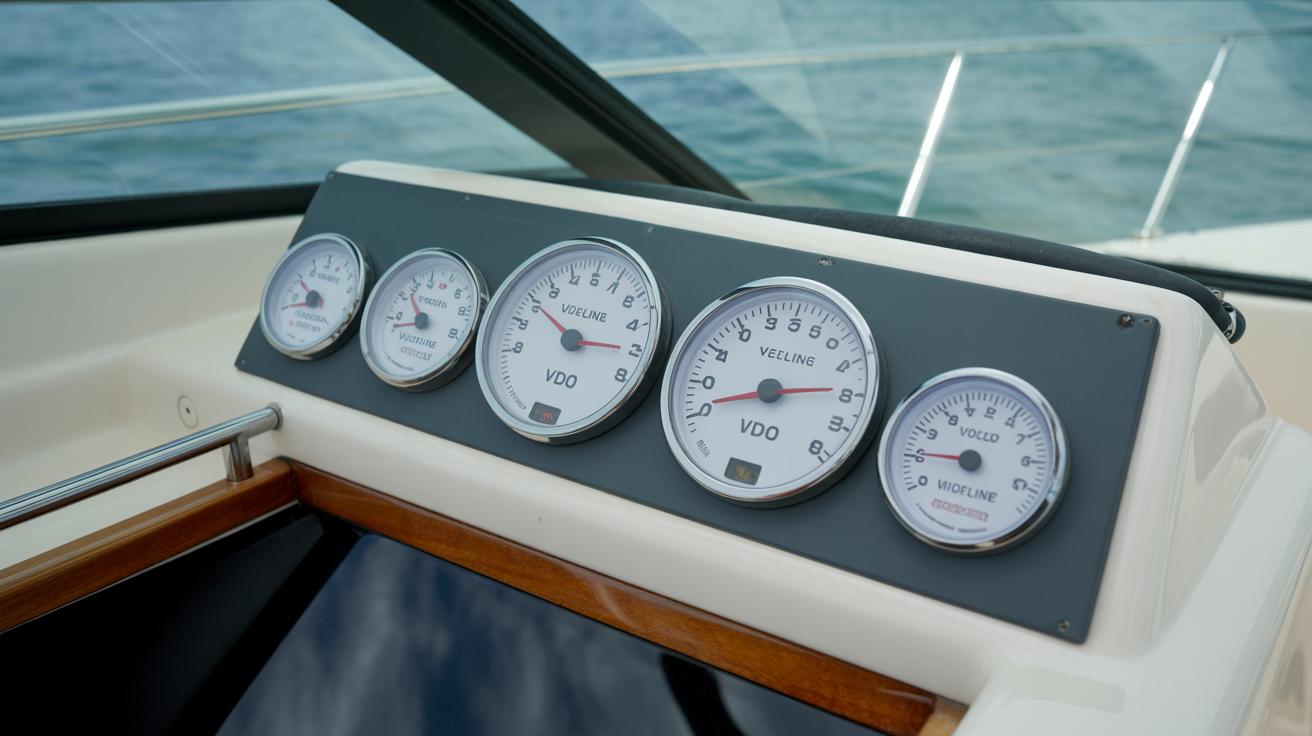
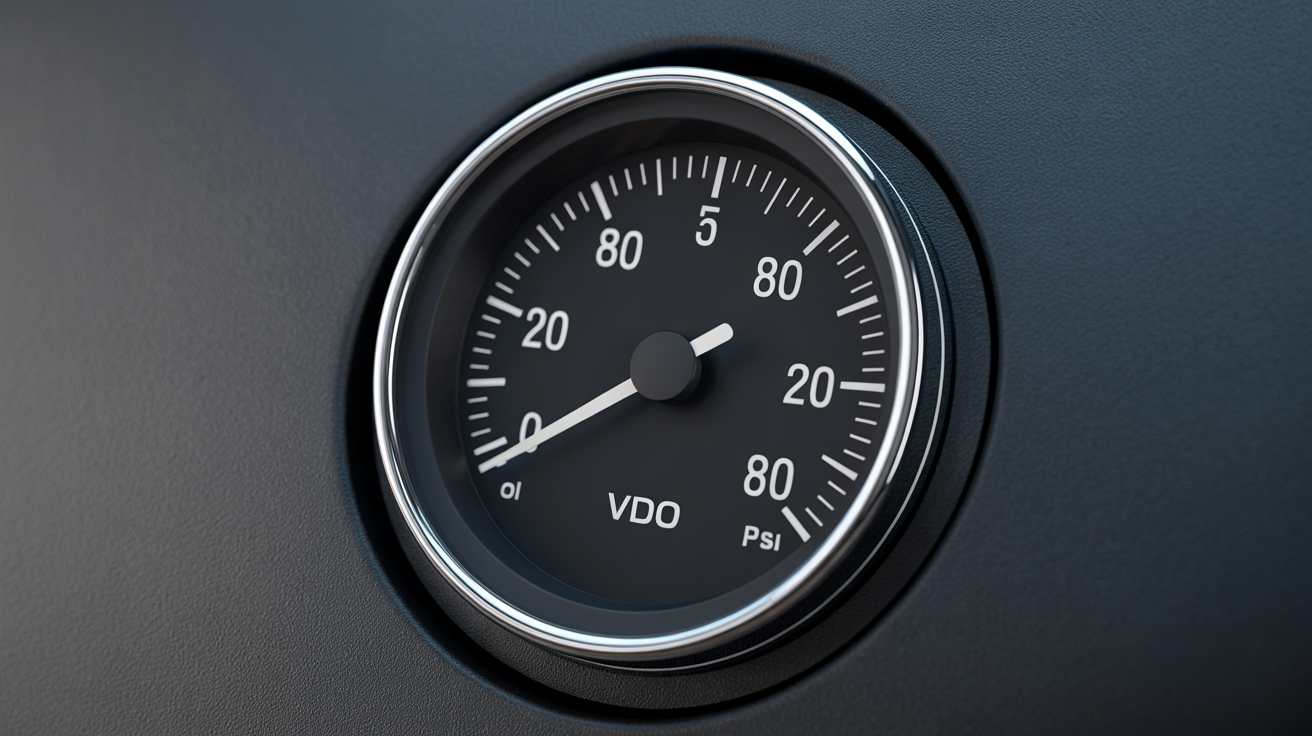
Modern LED-backlit gauges like the VDO range are more reliable than older bulb-based systems. If you're replacing gauges anyway, consider upgrading.
5. Physical Damage
Obvious but worth mentioning:
- Cracked lenses – Let in moisture and dust, leading to internal damage
- Corroded bezels – Usually indicates moisture ingress
- Foggy faces – Internal condensation suggests seal failure
- Discolored dials – UV damage affecting readability
Physical damage usually means the gauge has reached end of life. You can sometimes source replacement lenses, but often it's more practical to replace the entire unit.
What to Do When It's Time to Replace
When replacing gauges, consider:
- Match the specifications – Size, voltage, sender compatibility
- Buy quality – Cheap gauges often don't last. VDO instruments are our go-to recommendation
- Replace the sender too – If the gauge has failed, the sender might be on its way out as well
- Check your wiring – While you've got things apart, inspect and clean connections
Not sure if your gauge needs replacement? Bring it in or send us some photos. We're always happy to help diagnose the problem before you spend money on parts you might not need.